5 Things You Should Know in AI This Week — January 23, 2026
Simplifying the noise. Here are five signals that matter for non-technical workers.


What Happened This Week

Try the interactive version →
1. ChatGPT Ads: OpenAI's Monetization Shift
OpenAI just confirmed ads are rolling out in ChatGPT.
They'll appear at the bottom of responses on free plans and on the new Go subscription level worldwide.
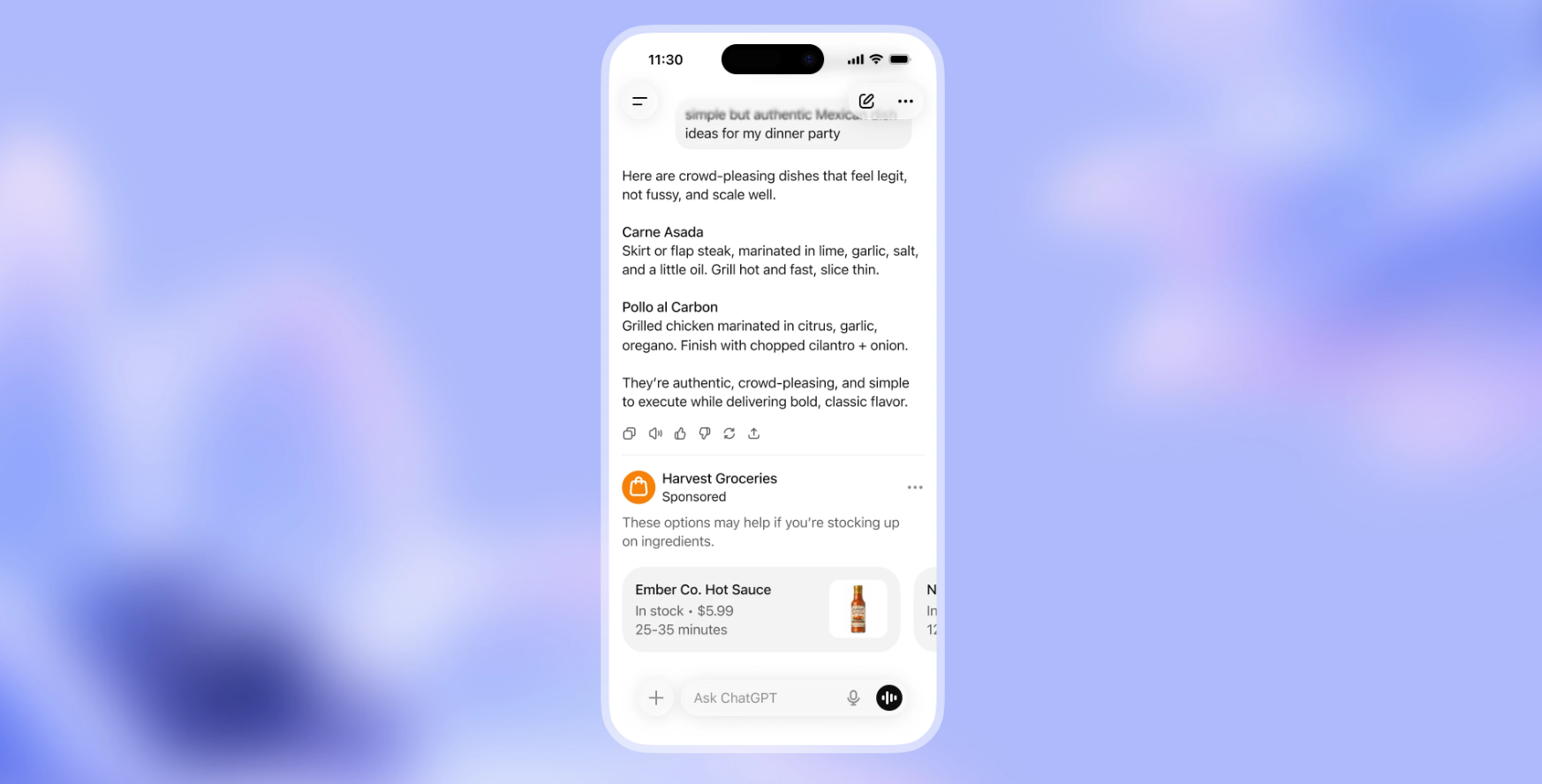
ChatGPT Go was previously available in India and is ad-subsidized ($8/month).
Cheaper than the $20/month Pro plan, Go is an upgrade from the free plan that gives users more messages and better memory capabilities.
Now back to ads, they'll be personalized based on conversation history (but you can turn this off).
Plus, Pro, and Enterprise will stay ad-free.
This was inevitable.
Ads have been rumored for a while, with OpenAI even denying them due to backlash.
It's been estimated that only about 5% of AI users are on paid plans, so OpenAI needs revenue somewhere.
For brands, ads can be purchased on a per impression basis.
The signal?
Free AI tools will become ad-supported, just like other digital tools you use.
OpenAI's building a shopping interface and ads are an entry point.
Brands moving first will get better rates, but also see user push back.
In 3 months, I bet ads feel normal.
Expect other AI platforms to follow after OpenAI takes the initial heat.
2. OpenAI's Consumer Device Expected H2 2026
We've got a few updates on OpenAI's consumer device plans.
Expect an official announcement in the second half of the year.

Designed to feel "peaceful and calm," the device will be small, screen-free, and voice-interactive.
Reports suggest it could be AI-powered earbuds with a custom processor handling AI tasks locally.
They're aiming to ship a whopping 40-50 million units in the first year.
The signal?
OpenAI is working on their distribution game, knowing tech alone won't cut it.
Hardware creates direct-to-consumer revenue and usage lock-in.
If you use OpenAI earbuds, you'll use ChatGPT on them.
Time will tell which AI devices consumers pick up (glasses, pins, etc.).
Clear value will need to emerge for products to stick in a market that's
been hesitant so far.
The 5-Day AI Advantage turns individual skill into team capability.
3. Claude Code Rattles Software Stocks
Engineers, vibe coding hobbyists, and now CEOs are all praising Claude Code.
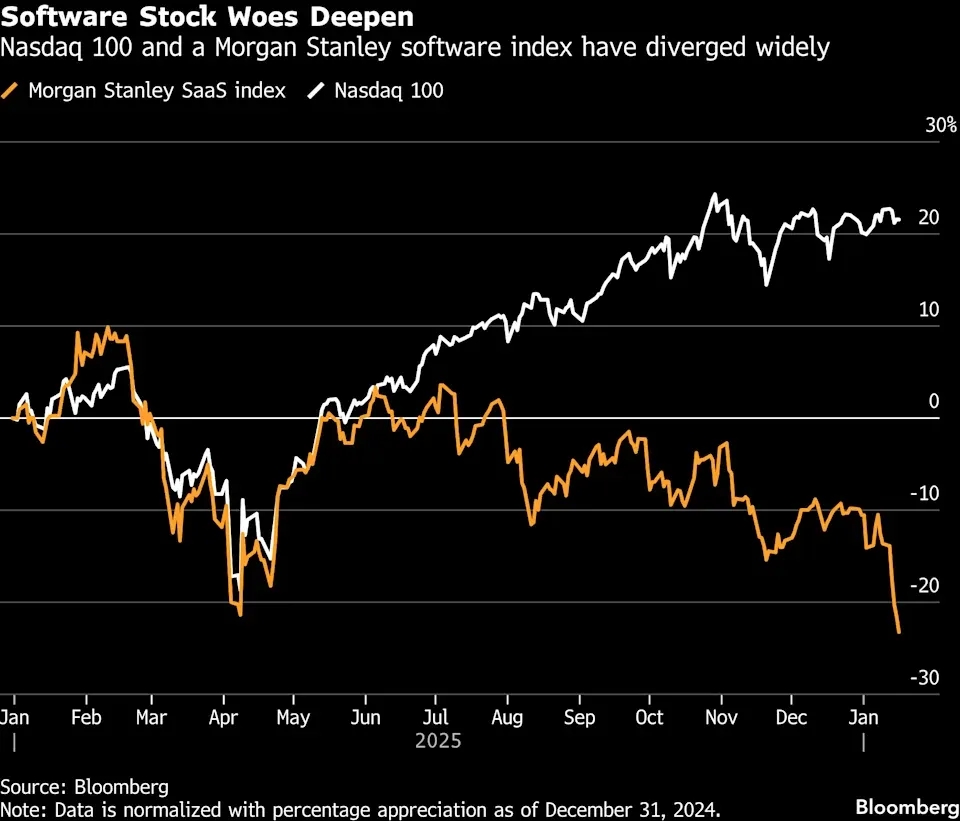
This is sending shockwaves through the SaaS market as the ability to create custom software more easily and cheaply becomes a looming reality.
Web platform Vercel's CTO used Claude Code to finish a year-long project in a week.
Another CEO supposedly scrapped hiring plans after Claude made his team 5x more productive.
Major software companies are getting hit hard: Intuit, Adobe, Salesforce are all seeing double-digit stock drops.
Morgan Stanley's SaaS index is down 15% year-to-date.
SaaS companies will need to prove their value in ways that can't be replicated with custom builds.
The signal?
Near-term, my take is the SaaS model is shifting, not dying.
Claude Code superpowers dev teams to create and ship solutions faster.
And no doubt SaaS companies will take a hit.
Consumer expectations will shift towards more personalized and affordable software.
And the volume of tool competitors and builders will increase.
Orgs will increasingly evaluate build or buy when considering tools.
But specialization, security, and offloading to third parties are still important decision factors that could give existing SaaS products an edge.
Watch how SaaS companies adapt positioning and offerings as needs shift.
4. OpenAI Introduces Age Prediction for ChatGPT
The system estimates if accounts belong to users under 18 using behavioral signals.
Then it automatically applies extra safeguards for flagged minor accounts.

Restricted content includes graphic violence, sexual roleplay, self-harm depictions, and unhealthy body standards.
Adults who are flagged can verify their age with a photo or ID.
Meanwhile, OpenAI is simultaneously planning "adult mode" for uncensored access.
So the safety announcement is a move that helps balance competing priorities.
A response to regulatory pressure, while advancing their broader product vision.
The signal?
As OpenAI gets riskier in some areas, it has to get safer in others.
Guardrails being put in place is a good signal.
Things are moving so fast that policy largely hasn't had a chance to catch up.
Watch for the rollout, accuracy improvements, and the adult mode launch.
Then expect more safety and regulatory measures for AI to follow.
5. This Week's Stats Roundup
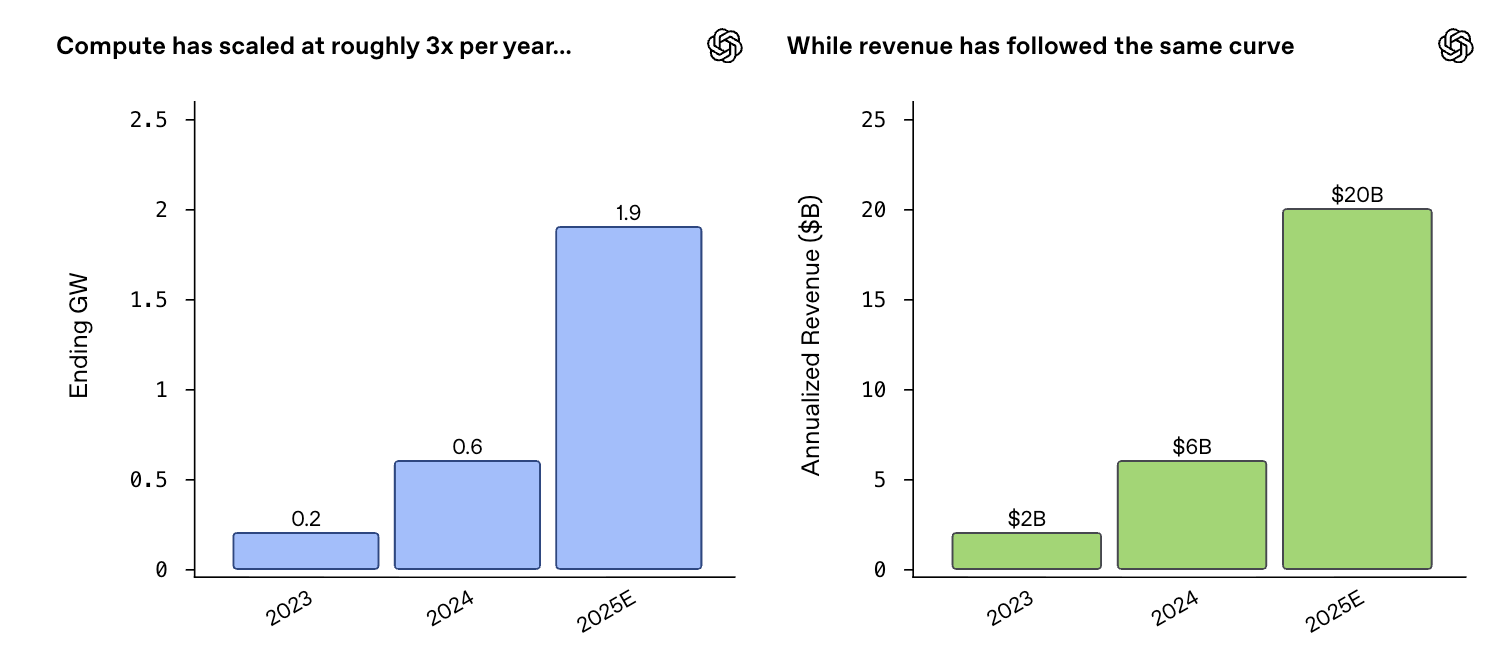
OpenAI's revenue reached $20B ARR in 2025.
- It's seeing ~3x growth per year for both revenue and compute.
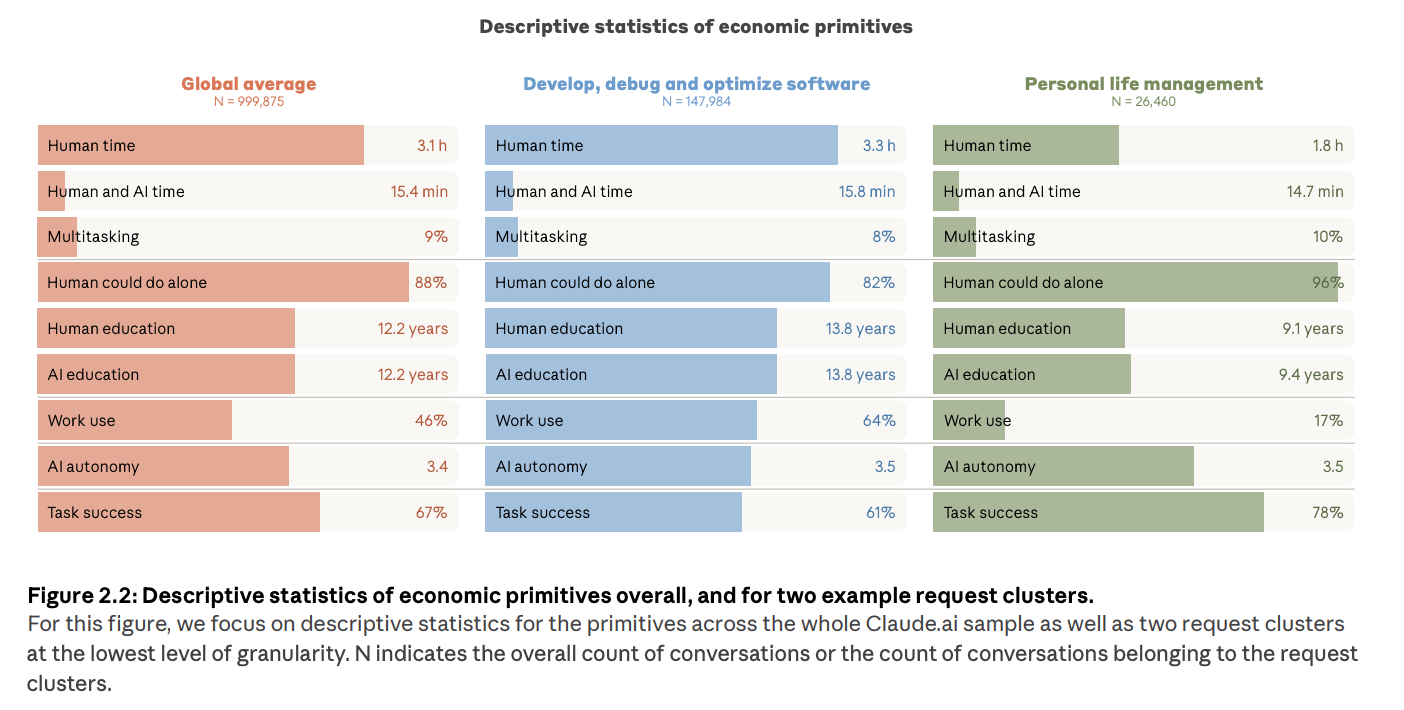
Claude cuts average task time from 3.1 hours to 15.4 minutes.
• That's according to the Anthropic Economic Index (January 2026).
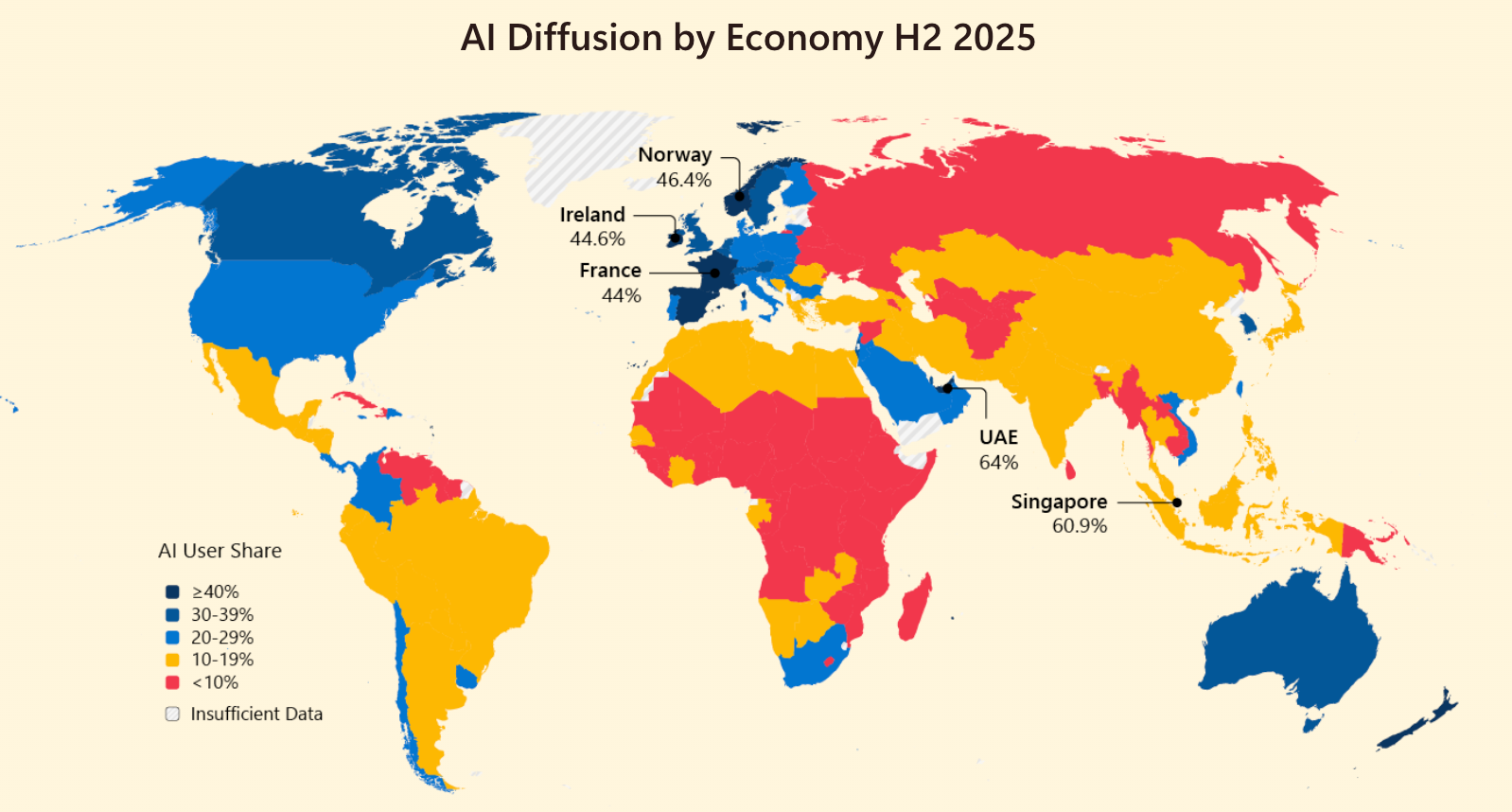
Global AI adoption sits at 16.3%, but it's wildly unequal.
• UAE leads at 64% adoption while the US ranks 24th place.
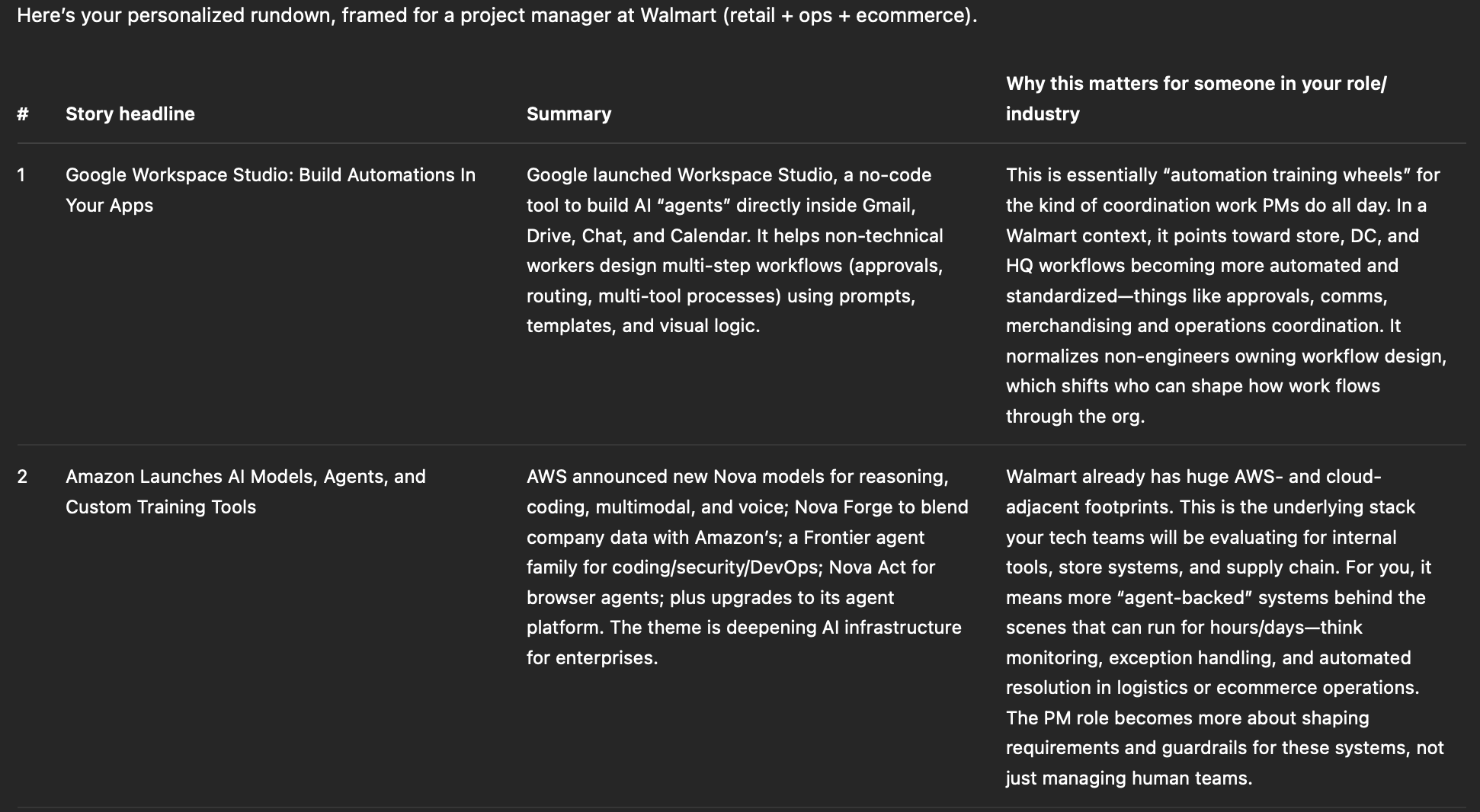
Turn This Newsletter Into Your Personal Briefing
See exactly how each story impacts your role and industry

Relatively quiet week news-wise.
Ads are coming, but the SaaS model shifting is what I'm watching closer.
Cheers!
-Riley